Smells like Fall… but is it good for you?
By Allison Ondrush
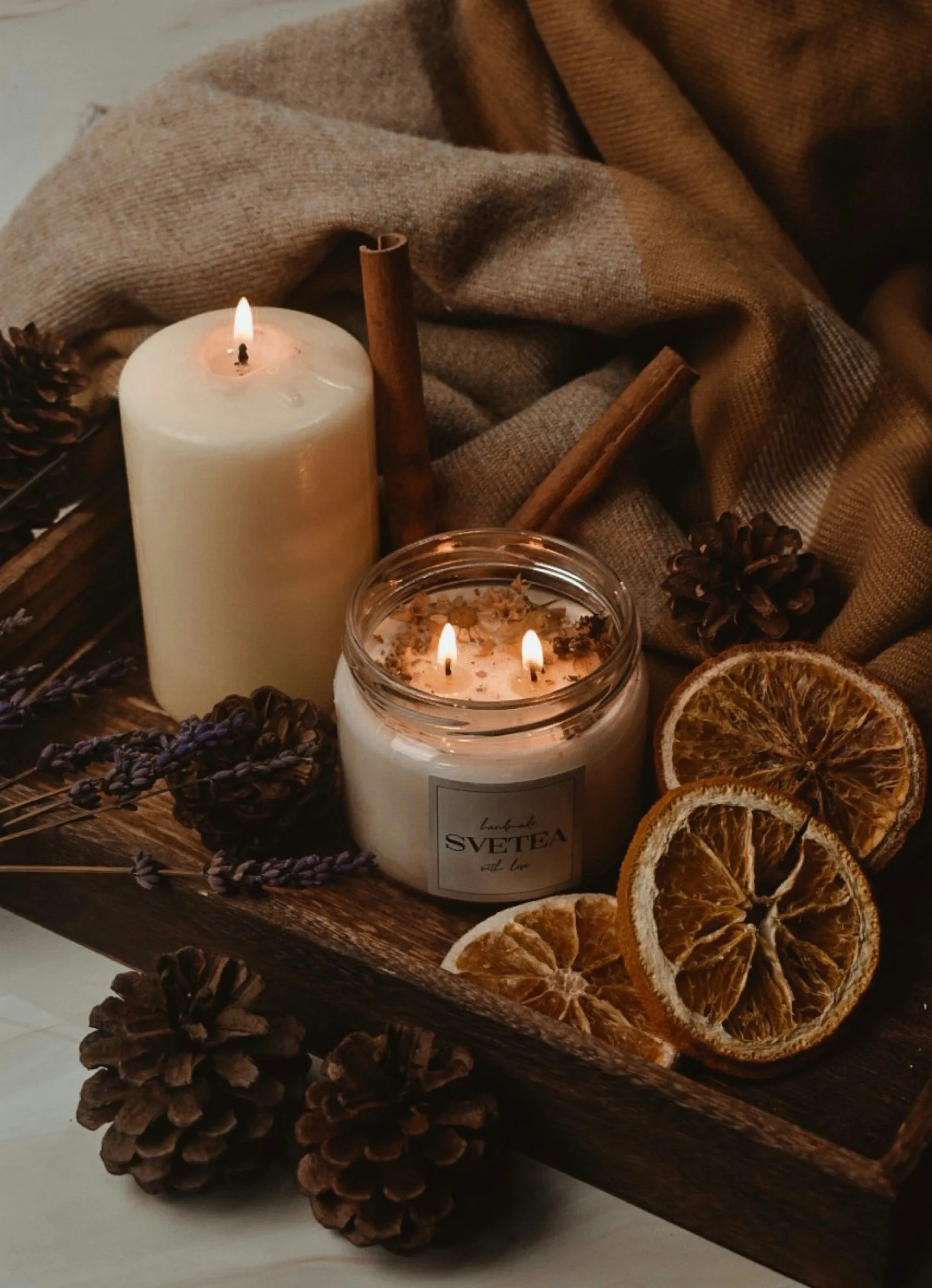
There’s just something about lighting a candle on a cold fall day. You put on your favorite comfy clothes, grab a blanket, turn on a comfort show, and suddenly your room smells like pumpkin spice latte or warm cinnamon sugar. It feels like a form of self-care, right?!
But, have you ever stopped to think about what happens when that candle starts burning?
While candles can make our spaces feel warm, relaxing, and inviting, research suggests that the fragrances and tiny particles they release may have some downsides for our health.
Before you toss every candle in your house, let’s break down what the research says, why it matters, and how to enjoy your favorite scents a little more mindfully.
Can Scents Actually Benefit Your Health?
First, let’s give fragrance a little credit. Smells aren't just about making your home feel nice, they can influence how we feel, too. Research on aromatherapy has explored its potential benefits for stress, anxiety, and even cognitive function. One systematic review found that aromatherapy was associated with a significant reduction in anxiety. In other words, the studies found a meaningful improvement in anxiety outcomes following aromatherapy exposure.
Other research has explored how essential oils may influence brain function. Certain essential oils have also demonstrated antimicrobial and anti-inflammatory properties in scientific studies. For example:
Cinnamon oil: Research has studied its ability to disrupt bacterial membranes and inhibit bacterial cell division, along with potential anti-inflammatory benefits.
Cumin oil: Studies have investigated its potential effects on metabolic health, including blood pressure and metabolic syndrome.
Orange peel oil: Research suggests it may have antibacterial, antifungal, and antiparasitic properties.
Sounds comforting, right?
But here's the catch: the potential benefits of essential oils don't automatically mean that burning a scented candle provides the same benefits.
Research involving concentrated oils, aromatherapy treatments, or controlled studies isn't necessarily equivalent to inhaling the emissions produced by a burning candle. So, while certain scents may help create a relaxing atmosphere, we shouldn't assume that a candle is a health treatment just because it smells like it is.
So, What Actually Happens When You Burn a Candle?
Here's where things get interesting. When a candle burns, it can release airborne particles and chemical compounds into your indoor environment. The amount and type of emissions can depend on factors such as the candle's ingredients, fragrance, wick, and how it burns. Although you may not see anything floating around your room, that doesn't necessarily mean the air is free of pollutants.
One study examining scented candles use reported associations between candle exposure and respiratory symptoms, including headaches, coughing, shortness of breath, sneezing, and wheezing. The researchers found that using a candle for more than 60 minutes was associated with:
1.42x the occurrence of headaches
1.29x the occurrence of sneezing
1.23x the occurrence of wheezing
These findings don't prove that all candles will necessarily make you sick, but they do raise questions about how prolonged exposure to scented candle emissions may affect indoor air quality and overall health.
If you've ever lit a candle and noticed that your head starts hurting or your nose suddenly decides to run, it may be worth paying attention to how your body responds around these particles.
Your favorite vanilla candle might smell like a dream, but if it leaves you feeling less than dreamy, it's probably time to blow it out.
Well, What About Wax Melts?
Just because they are not burning like candles, doesn’t mean they are any cleaner! A study published in 2025 investigated the formation of nanoparticles from scented wax melts. The findings raised concerns about how these tiny airborne particles may affect indoor air quality and the respiratory system.Nanoparticles are incredibly small, which means they can behave differently from larger particles in the air. Depending on their properties, some particles can reach deep into the lungs causing inflammation. Researchers are also investigating how certain nanoparticles may cross biological barriers and potentially affect other organs such as the brain and even the placenta.
The study highlighted that particle exposure from scented wax melts in indoor environments could produce respiratory deposition rates comparable to those associated with other familiar sources of indoor and outdoor air pollution.
That sounds a little scary, but let's put it into perspective. This research identifies a potential exposure concern, but it does not mean that using a wax warmer occasionally will automatically harm your lungs or other organs. The health effects depend on factors such as particle characteristics, concentration, exposure duration, and individual susceptibility.
So what should you take away? Just because a product doesn't produce visible smokedoesn't mean it has no effect on the air around you.
So, Should You Throw Away Your Favorite Candle?
Not necessarily!
The research doesn't mean every candle is dangerous or that you need to throw away every candle you have. Instead, it highlights that there is a balance to these cozy scents. The comfort and enjoyment we get from fragrance versus the particles and compounds that may be released into our homes.
Here's our non-toxic guide to enjoying cozy home scents:
Let fresh air in. Ventilate your space when using scented products. Opening a window when outdoor conditions allow can help reduce the buildup of indoor pollutants.
Choose natural wax candles such as beeswax, coconut or organic soy. Conventional paraffin wax is derived as a byproduct of petroleum, coal, or oil shale and contains harmful chemicals such as benzene and toluene.
Look for options scented with 100% Pure Essential oils. “Fragrance” is a a catch-all term for over 3,000 chemicals, many of which can be harmful for your health
Look for “lead-free” wicks. Choose organic cotton, hemp or wood wicks instead.
Keep your candle sessions shorter. If you love a little candlelit ambiance while relaxing, consider limiting how long you burn it, rather than leaving it going for hours.
Pay attention to your body. Headaches, coughing, sneezing, wheezing, or irritation are good reasons to stop using the product and get some fresh air. If symptoms persist or breathing becomes difficult, seek medical advice.
Consider essential oil diffusion instead. Diffused essential oils can provide many health benefits when used appropriately and contribute to a great smelling atmosphere. Limit diffuser sessions to 15-30 minutes and discontinue use if any symptoms or discomfort occurs.
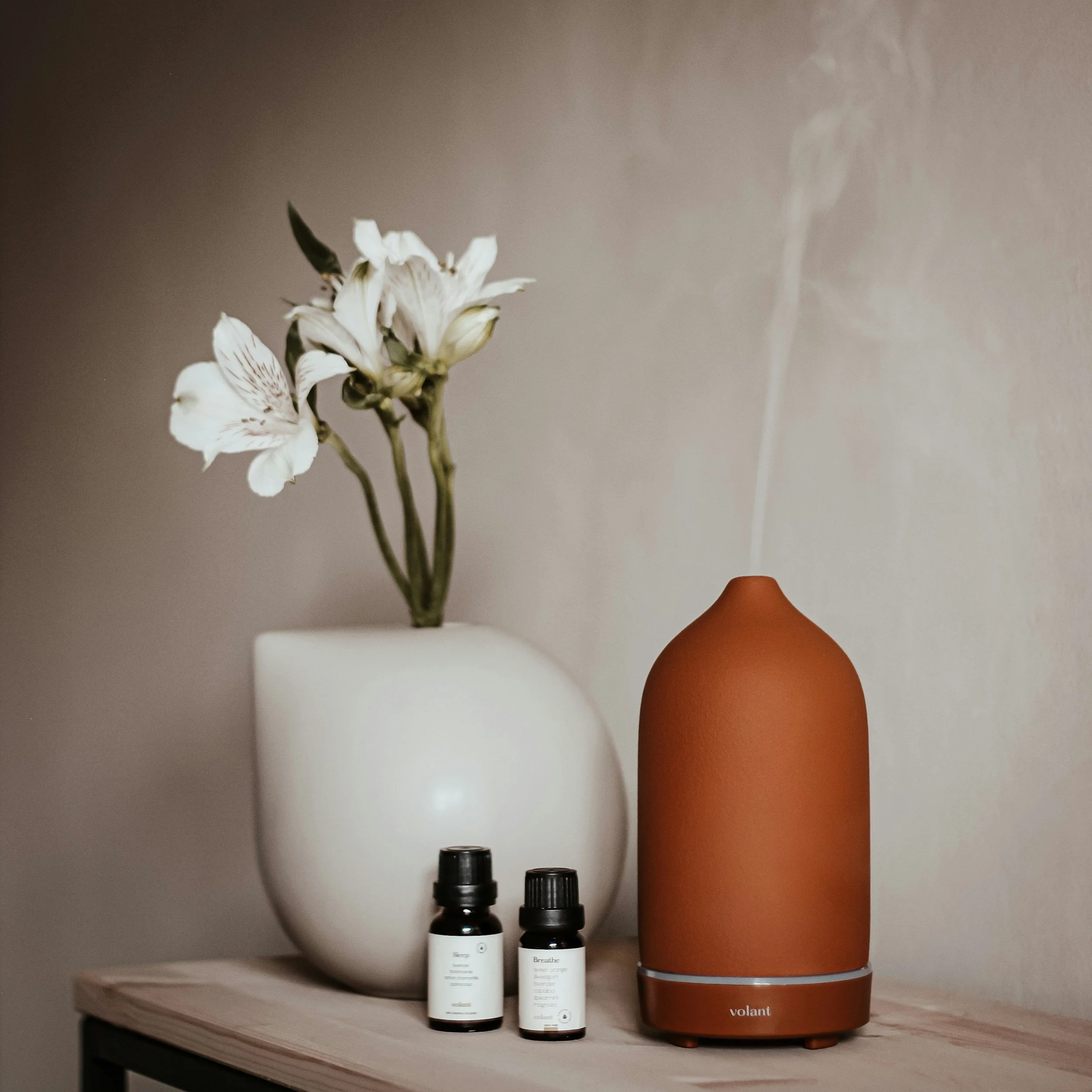
Overall, candles are one of those little luxuries that can make an ordinary evening feel special. And research does suggest that aromatherapy may offer benefits for anxiety and other aspects of wellbeing. If you still want your home to smell like fall without all the harsh chemicals, try out these essentail oil combinations and let us know what you think!
Cinnamon, Sweet Orange, Clove
Frankincense, Ginger, Sweet Orange
Cardamom, Clove, Ginger
Douglas Fir - Smells like Christmas!
Rosemary, Cinnamon, Sweet Orange or Lemon