All Things Health & Wellness
Vegan Grilled Peaches & Cream Ice Cream
A few weeks ago I was testing out recipes for a cooking demonstration and I REALLY wanted to highlight a local ingredient. At the time peaches were abundant so I chose a grilled peach recipe with coconut cream. Well, I ended up making a few batches (too much to eat on my own) so I froze all the leftovers.
Now, if you know me you know I HATE food waste. So, as I was freaking out about what I was going to do with all these frozen peaches and frozen cream, an idea popped into my head. Peaches and cream easy ice cream!
This ended up coming out even better than I could have imagined. And because I had all the ingredients already prepared, all I had to do was put everything into a blender and there you have it: ice cream.
But to make this easier on all of you (who probably don’t have all the ingredients together unless you watched my cooking demonstration and made multiple batches that you didn’t eat) I've adapted the recipe for you. I do recommend you prepare the day before because the coconut cream does need to freeze overnight.
So here’s what you’ll need:
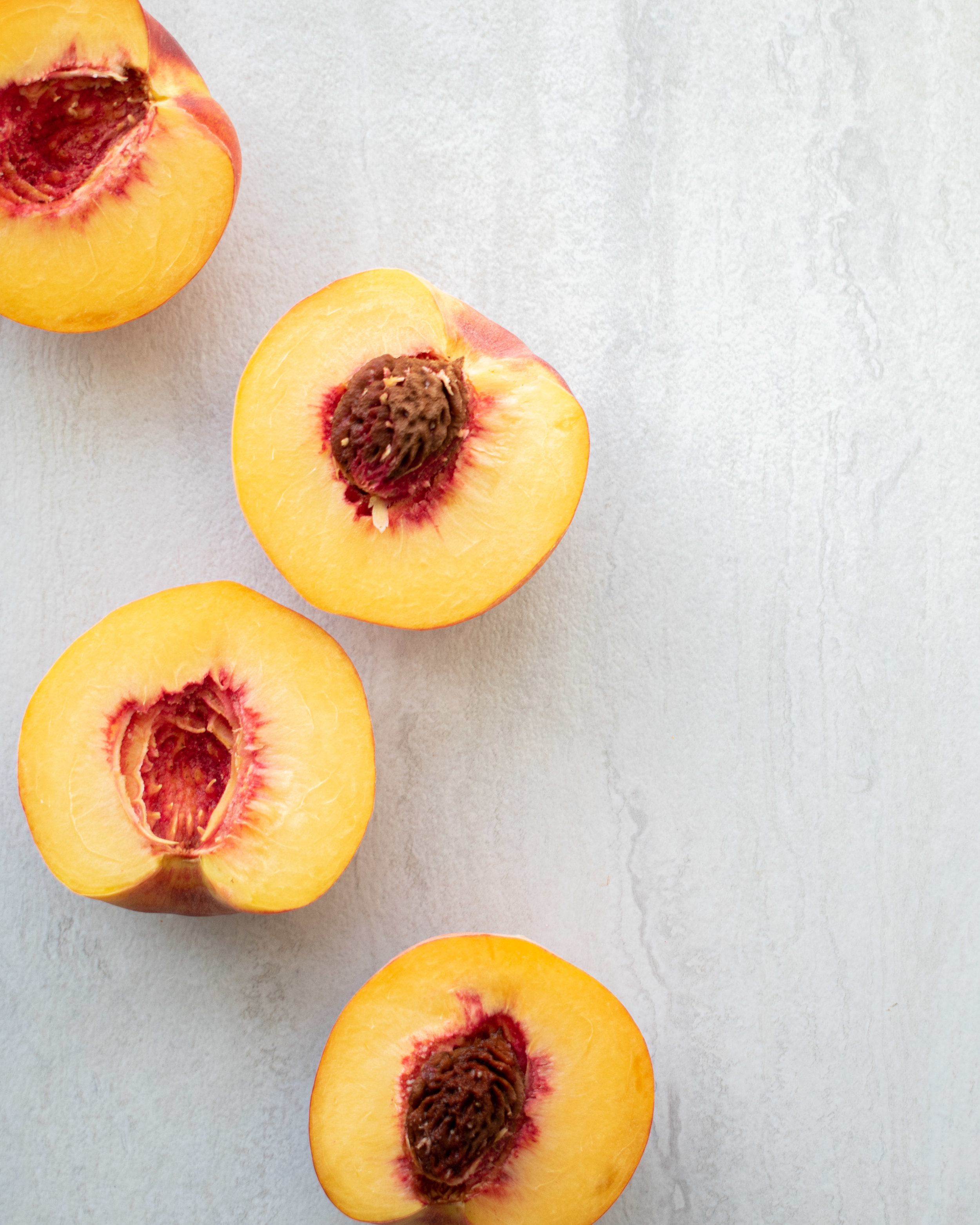
3 peaches, pitted and halved
2 Tbs Pure Maple Syrup
1 can Coconut Milk, Full-fat
2 Tbs Coconut Oil, melted
1/2 Lime, juiced
1/2 Lemon, juiced
1 tsp Cinnamon, divided
1/4 tsp Vanilla Extract
Empty ice cube tray
Directions:
Preheat the oven to 350 degrees F and preheat a grill pan on medium-high heat.
Brush the cut side of the peaches with melted coconut oil and pour the remaining coconut oil onto a baking pan.
Cook the peaches face down on the grill pan until slightly charred. Remove from heat and add peaches to the now greased baking pan, charred side up. Pour lime juice over the peaches and sprinkle with some cinnamon. Bake for 10 minutes.
While peaches are baking, pour the canned coconut milk into a bowl. Add lemon juice, maple syrup, the rest of the cinnamon and vanilla and whisk together. Pour into ice cube tray, cover and transfer to freezer overnight.
Take the peaches out of the oven and allow to cool. Cut into 4ths and place in the freezer overnight.
Once everything is frozen, add peaches and cubes of cream to a high-speed blender. (I used my Vitamix). Blend on high until smooth and creamy but avoid over-blending as this will melt the ingredients.
Serve on its own or top with blackberries!
The BEST Shrimp Scampi Recipe
Unfortunately, I cannot take credit for this recipe. Growing up my Nanny used to make the best shrimp scampi, it was always one of my favorite dinners she made. Flash forward some 10 years later and I finally got the recipe. Not only is this so delicious, it’s also SO easy to make. It’s good over pasta, rice, mashed potatoes (basically any starch) or even on its own! If you make this recipe you can thank Nanny Pat for the delicious meal you’re about to eat!
So, without further adieu, here’s what you’ll need:
1 lb linguine ( I use Trader Joes Gluten Free Fehttuchini or Rice)
1/2 cup Butter (I like to use the non-dairy options)
1/4 cup olive oil
10 garlic cloves, minced
1 teaspoon salt
1/2 teaspoon black pepper
Vegetable broth about 1 can
1 1/2 cup Grape tomatoes, halved
1 small can Black olives, sliced
Juice of 1 lemon
2 tablespoons chopped fresh parsley
1 1/2 pounds shrimp peeled deveined with tails on
In a large skillet heat the butter and oil over medium heat.
Add garlic, salt, and pepper and sauté garlic for 1 to 2 minutes. DO NOT BROWN
Stir in the shrimp and cook for 3 to 4 minutes just until pink.
Stir in tomatoes, olives, lemon juice and parsley. Mix well and let cook until tomatoes and olives are a little soft.
Add vegetable broth if everything is too dry. I add a little at a time as it is cooking.
Cook spaghetti and throw it all together when you’re ready to sit and eat.
I sincerely hope you enjoy this recipe as much as my boyfriend and I do! If you make it for yourself reach out to me on instagram @RootWellnessCo, I would love to hear your thoughts.
Dealing With Coronavirus: The Natural Way
There is so much hype about Coronavirus in the media, and honestly, I think it’s actually doing more harm than good. People are terrified of leaving their homes, children are missing school and the economy is plummeting… BUT I’m not really here to talk about all that.
I’m here to talk about the importance of staying educated and provide you some tips on how to prevent the spread of Coronavirus.
So let’s just understand some basic background information on viruses. Well, it’s a virus, which means that antibiotics are not effective. Viruses act differently in the body and they a great at mutating.
Think for a second about the flu virus. Every year, a flu vaccine comes out. BUT, people who get the flu vaccine can still get the flu (aka me this year). Why? Because, the virus has many different strands and each year mutates slightly so that medications and vaccines are not effective. Tricky, tricky there flu virus.
But, what if, instead of just relying on a few compounds to kill the virus you employed thousands of compounds to work together to kill the virus?
Sorry virus, but ya don’t stand a chance. And that’s exactly what essential oils do.
I’ve mentioned before that most of our medications are actually made up of compounds that were originally isolated from plants. So, those same compounds are found in essential oils along with hundreds of other compounds that all work synergistically to kill viruses. And the best part? Because there are so many different compounds working together, the virus is less able to become resistant!
If you haven’t already guessed, well, yea, I 1000% believe in using essential oils to prevent the spread of coronavirus. But, not just any essential oil will be effective. So, I did some research and made a list of 10 essential oils that were effective in killing viruses.
Now remember that Coronavirus is new, meaning there is not much research on it. The research I found was specific to flu viruses such as Flu A, Flu B and H1N1 or swine flu. So I cannot say for certain that using these essential oil will keep you from getting coronavirus, but there is no harm in using them and with the shortage of hand sanitizer and alcohol containing cleaning products, I’d bet these are the next best thing (maybe even better, who knows).
Before I give you the list, I want to be clear on two things…
1. If you do not know how to use essential oils PLEASE do not just pour them all over your body. That is NOT safe and will likely do more harm than good. Consult a certified aromatherapist such as myself (I am happy to answer any questions you may have) OR do your own research. Don’t be afraid to educate yourself.
2. Buy from reputable brands. Organic is ALWAYS better when it comes to essential oils and some brands are way better than others. I like Aetos, Edens garden, and Doterra the best, but everyone is different and can form their own opinion. When you buy oils make sure they always have the Latin name on the bottle. Why is this important? Because there are multiple varieties of oils and they all have different healing properties and side effects. It’s important that you know which one you’re using. For example, I am going to be talking about two different eucalyptus varieties below.
Without further ado, the list you’ve all been waiting for…
These 10 essential oils have been shown to be effective anti-virals.
- Bergamot (Citrus bergamia)
- Blue Malle (Eucalyptus polybractea)
- Tea tree (Melaleuca alternifolia)
- Carrot seed (Daucus carota)
- Eucalyptus (Eucalyptus globulus)
- Thyme (red) (Thymus vulgaris)
- Lemongrass (Cymbopogon flexuous)
- Cinnamon leaf (Cinnamomum zeylanicum)
- Clove (Eugenia caryophyllata)
- Rosemary (Rosmarinus officinalis L.)
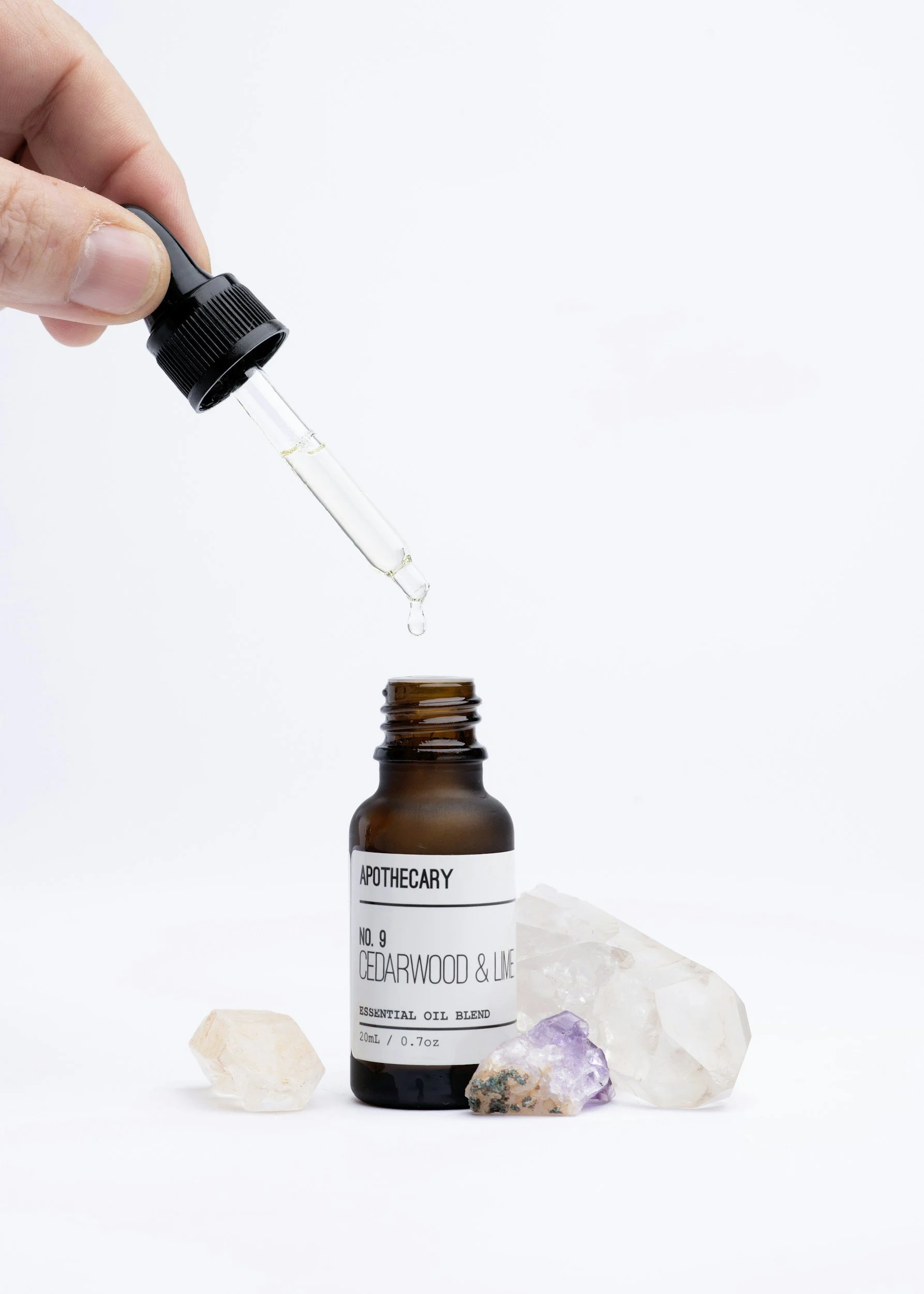
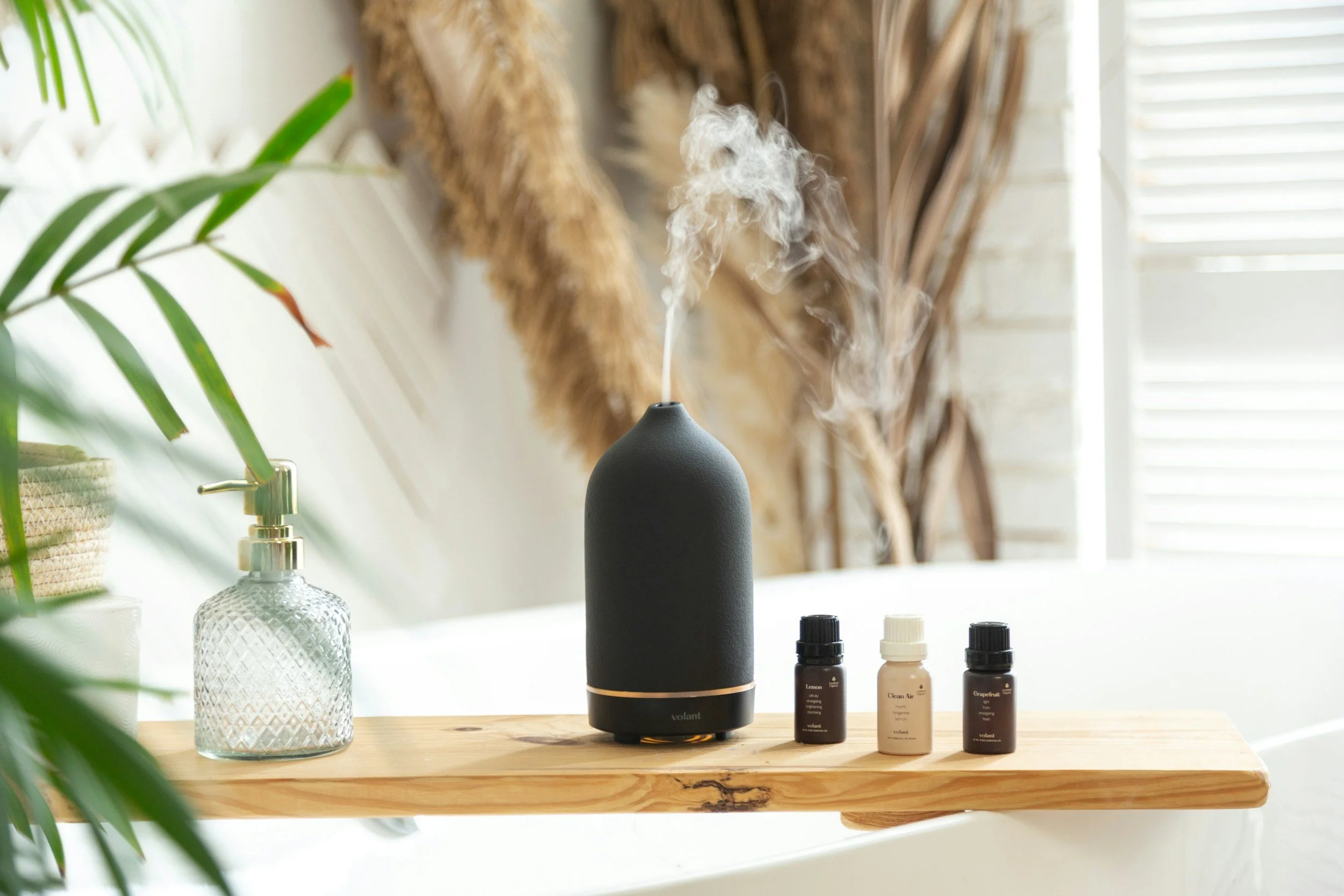
If you’re interested in using these oils at home, the safest way would be to diffuse them. You can purchase a diffuser on amazon for less than $15.00. I would place one in your bedroom and if you have multiple, another one in your office or any space you spend a lot of time in. Any combination of these essential oils will be effective at clearing the air of viruses but Blue Malle was shown to be the most effective throughout the research.
You can also create or purchase an inhaler with these oils to smell throughout the day. If you do not have access to inhalers, simply smelling the essential oils from the bottle will do the trick.
Another option is to create or purchase a spray to mist your pillow, computer, hands, children, literally anything you touch. If you are making this yourself, I highly recommend looking up dilution ratios to make sure you are making something effective, but that will not be too strong and cause other side effects. I know I will be making some sprays for my family, if you’re interested in purchasing one from me, just send me an email or message me on Instagram @rootwellnessco and I’ll be happy to help you out! Oh, I can also make inhalers too!
Stay safe out there friends!
Eucalyptus: The Miracle Botanical
There has been a ton of hype recently about Eucalyptus. People are buying the essential oil, hanging sprigs of the plant in their showers and all-around raving about its benefits.
But what is Eucalyptus?
Eucalyptus is a tree native to Australia. It’s actually one of the main food sources for Koalas! Eucalyptus has been used for centuries in various civilizations to heal a multitude of conditions and is well known for its health benefits.
So, what exactly does Eucalyptus do?
This first benefit of Eucalyptus is its anti-microbial properties. Medical practitioners used to use eucalyptus oil to clean medical supplies and prevent the spread of bacteria.
Eucalyptus also has a ton of expectorant and decongestant compounds. Just one whiff of pure eucalyptus essential oil can help to clear out your sinuses and provide effortless breathing.
Besides being antiseptic, Eucalyptus also has analgesic properties. Eucalyptus can block pain sensors in the body and help stimulate healing.
Now, how can you use Eucalyptus?
My favorite way to use Eucalyptus is to just open a bottle of the essential oil and give it a sniff. Whenever my nose is stuffy or I’m feeling some sinus pressure, a good inhale of Eucalyptus helps to clear my head.
Mixing some Eucalyptus oil with another expectorant like Thyme or Rosemary Oil in a small amount of carrier oil can be a quick and easy replacement for Vics. Just rub the oil blend on your chest, nose and bottom of your feet to provide relief from a cough.
If you have access to fresh Eucalyptus, hang a few sprigs in your shower. The steam from the hot water will release the oils providing you with a lovely spa experience that relieves respiratory problems and promotes overall wellness.
Into oil pulling? Try adding 1-2 drops of Eucalyptus oil to 1Tbs coconut oil. The Eucalyptus will help kill bad bacteria and fight plaque build-up.
Eucalyptus in a diffuser will ward off mosquitos, ticks and mites. You can also wear a drop or two on your skin as a natural insect repellant.
I also use a mixture of eucalyptus and lavender oil in a spray bottle with water to help heal minor cuts, scrapes and keep infection out of new piercings and tattoos.
The benefits of Eucalyptus are almost endless it is sure to be a staple in your life, plus it smells great! So, if you want to go out and purchase some for yourself, I recommend Eden’s Garden or Aetos brand Organic Eucalyptus Oil. Or, head to your local flower show to see if they carry fresh Eucalyptus!
Tips for Preventing the Flu
Did you know that what you eat can actually help (or hurt) your ability to fight infections? With flu season upon us, wouldn’t it be nice to know what foods could help prevent you from getting sick?
For those of you reading this who see “flu” and immediately want to Lysol their computer for fear of catching it (again)… as you do year after year, your nutritional status may be more important than you think. Infections (especially chronic viral ones) may lie dormant in your body only to show up when you become immunocompromised. Although the flu is an acute illness, its recurrence year after year in the same host, (aka You) makes it a chronic infection. The flu also has this amazing ability to mutate, creating newer strains that make it even more difficult for your body to defend against.
Malnutrition and nutritional deficiencies especially involving zinc, vitamin D, n-acetylcysteine and vitamin C can make it difficult for your body to adequately deal with an infection and produce and effective immune response. Obesity has also recently been linked to increased risk for catching the flu.
Obesity
Obesity is linked with elevated levels of inflammation in the body. This inflammation is associated with excess production of pro-inflammatory cytokines which can alter the immune systems natural response to viral infection.
Maintaining weight within ideal limits can help reduce your risk of developing the flu and its complications this season.
Zinc
Zinc is important for the proper functioning of the immune system and even a mild zinc deficiency can impair the body’s ability to fight off the flu.
Foods that contain zinc include:
· Meat
· Shellfish
· Legumes
· Nuts & Seeds
· Whole-grains
· Eggs
N-Acetylcysteine
NAC is made from the amino acid L-cysteine. It is an powerful antioxidant and can decrease the occurrence and severity of influenza.
Foods that contain NAC include:
· Chicken
· Turkey
· Yogurt
· Cheese
· Eggs
· Nuts & Seeds
Vitamin C
Adequate intake of vitamin C can reduce severity and duration of colds and flu. Vitamin C supplementation was found to reduce complication of flu such as pneumonia and reduce hospital stay duration.
Foods that contain vitamin C:
· Cherries
· Chili peppers
· Yellow peppers
· Thyme
· Parsley
· Kale
· Broccoli
· Lemons
· Papayas
· Oranges
Vitamin D
Vitamin D is essential for proper immune system function and most people are typically deficient during the winter months. Because vitamin D is a fat soluble vitamin, those who are overweight or obese will store vitamin D in their fat cells which makes it unavailable for the body to use. Sunlight exposure is a great way to increase production of vitamin D but for those of us who live in northern latitudes, the sun is not strong enough this time of year.
Foods that contain vitamin D:
Salmon
Egg Yolk
Mushrooms
Fortified Milks
Yogurt
Canned tuna
Cheese
Vitamin D is also widely available in supplement for and relatively safe to consume. Just as your health care provider about proper dosage and before starting any supplements.
6 Crystals for Manifesting Your Dreams
Manifesting
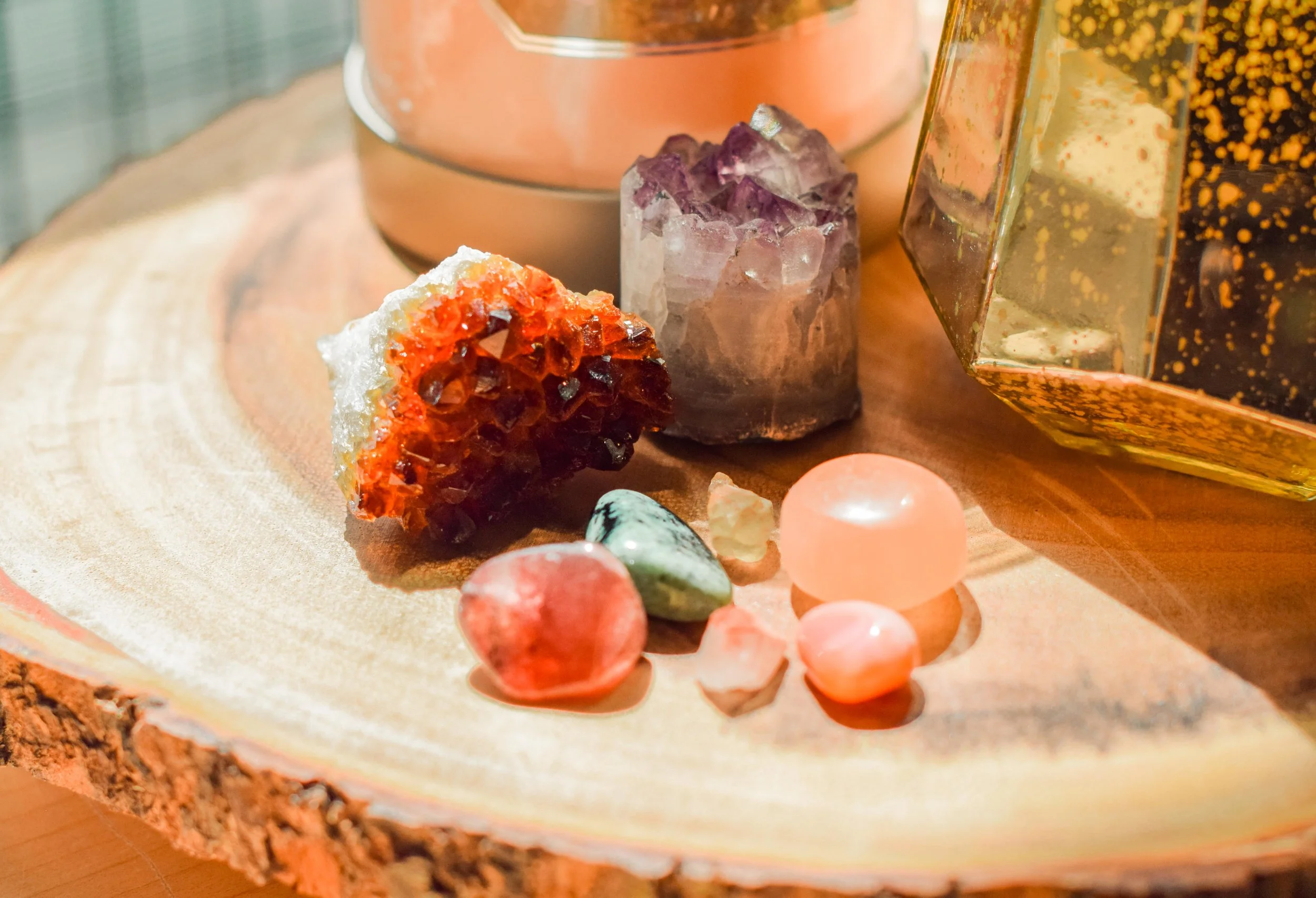
Crystals can be powerful tools to help you manifest your dreams.
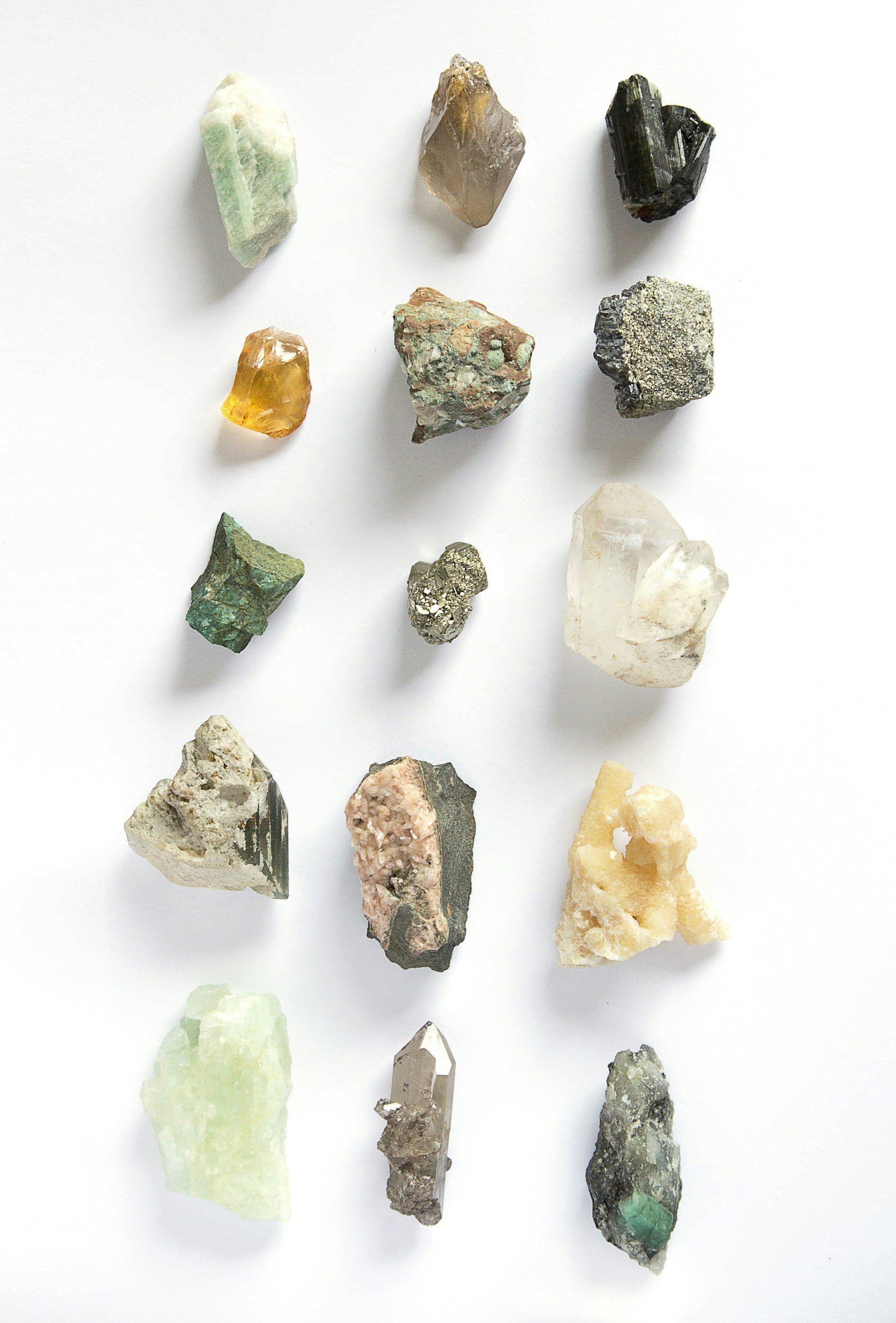
Crystals are natural stones, created by the earth, which have high-frequency vibrations. During manifestation, you send out positive, high-frequency thoughts into the universe in order to manifest whatever it is that you want. By using crystal energy in your manifestations you can enhance the high- frequency vibrations you send out- giving it more power to become reality!
How to Use Crystals
Manifesting with crystals is easy. But, it is important to make sure your crystal is cleansed before using it to manifest. To do this, simply run your crystal under cool water (such as from a faucet) and let it air dry. Then all you have to do is hold the crystal in your hand and speak or think of your intention/manifestation. I like to light a candle and sit with my crystal in my palm while repeating my intention to myself. Take a few deep breaths and connect your body and mind. The more grounded you are the more powerful the manifestation. You can then cary this crystal with you in your pocket, purse, backpack... wherever. Or, place in somewhere special to you such as under your pillow or on your nightstand. Whenever you feel like you need an energy boost, simply return to your crystal and repeat your intention. If you want to set a new intention with the same crystal just remember to clean it with cool running water and repeat the process!
Amethyst
Known for its high- frequency vibrations, amethyst helps to expand consciousness and is great for manifesting wisdom.
Black Obsidian
This stone helps to sharpen focus, bring in new opportunities and acts as a shield from negativity.
Carnelian
Great for overcoming procrastination and indecision, use Carnelian to manifest concepts into reality.
Pyrite
Also known as fools gold, Pyrite is best for manifesting abundance & financial freedom
Citrine
Another stone known for manifesting financial abundance. It helps improve self- limiting beliefs around money and may even bring good luck!
Clear Quartz
Clear quartz acts as an amplifier. Give any intention an extra boost by meditating with this crystal
Depression and Brain Chemistry
Depression is something that hits close to home for me. Having struggled with it in my late teens and early 20’s, I have been fascinated by it and wanted to learn all I could to help myself overcome such a crippling disorder. I saw psychologists, tried out three different medications, and even got a dog to try and improve my symptoms. Luckily for me, I had the best results once I started exercising, graduated from college, spent a lot of time in the sunshine and cleaned up my diet; I was even able to come off medication. For others, depression is more severe and may lead to poor quality of life or, in extreme cases self-harm.
So, let’s talk about depression in relation to brain chemistry and try to understand this disorder in physiologic terms.
Depression is a mental health disorder that negatively affects the way you think, how you feel and how you act. It is characterized by persistent sad thoughts, loss of interest in activities, and sometimes anger or frustration.
Depression is typically associated with the frontal lobe of the brain and may be associated with low dopamine or serotonin.
If associated with low dopamine it typically presents with irritability, whereas low serotonin is associated with a guilty type of depression and a lack of joy. In this case you may have thoughts such as “I have a great life and I have no reason to feel this way, but, I’m just not happy.”
Serotonin and dopamine are both neurotransmitters that are made within the brain.
Serotonin:
Serotonin is made from tryptophan, an amino acid we can get from food. Typically, turkey is associated with tryptophan which is why most people say they get tired after eating thanksgiving dinner.
Tryptophan crosses the blood brain barrier with the help of a transporter and is then transformed into 5-HTP which is further refined into serotonin. This process requires a few things in order to happen including iron, oxygen, folate, vitamin B-12, vitamin B-6, magnesium, and Niacin. Most of these are found in our foods, which is why having a healthy balanced diet is so important for our mental health.
Dopamine:
Dopamine is similar to serotonin in that it is also formed from amino acids. Phenylalanine is converted to tyrosine in the liver and actively transported into the brain where is it converted to DOPA and then the final product, dopamine. Just like with serotonin, dopamine synthesis requires iron, oxygen, and vitamin B-6.
Remember how I said depression is associated with the frontal lobe of the brain? Well, that means that damage to the frontal lobe can lead to issues with depression. We often see this in athletes who have had multiple concussions. Professional football players are a great example of this. An estimate of ~40% of retired football players have symptoms of mild to moderate depression which is nearly 3 times the rate of the
general population.
It is also important to address blood sugar control and iron status. If the brain does not have enough fuel due to poor intake or inability to use the carbohydrates consumed as a result of insulin resistance, these neurotransmitters cannot be produces which leads to dips in mood. Poor oxygenation of the brain due to iron deficiency anemia also inhibits the production of serotonin and overall functioning of the brain which can further contribute to mood and development of depression.
So, what can you do to prevent depression, or help manage symptoms?
· Eat a well-balanced diet throughout the day to prevent low blood sugar or insulin resistance
· Avoid over-processed sugary foods
· Consume adequate amounts of protein with a variety of amino acids
· Consider taking a multivitamin or B-complex supplement, especially if you do not consume adequate amounts of animal protein
· Consume foods rich in iron such as spinach, red meat or tofu, especially during menstruation for females
· Wear protective headgear when participating in contact sports or performing tasks that could result in a head injury
If you or a loved one are suffering from depression, consult a health care provider to get help. Depression is no joke, a professional can help find the best treatment for you.
The Brain and Sleep
Sleep- Everyone needs it, few people get enough, and others get it yet still feel tired. So, what is the deal with sleep? How come some people can sleep for hours but still wake up tired when others can get a few hours and feel great?
Well, it all comes down to your brain!
The hypothalamic pituitary adrenal (HPA) axis is the central stress response system in our brain and depending on how the HPA axis is functioning we may see disturbances in our sleep.
Melatonin is a well-known hormone that plays a role in our sleep-wake cycles. Melatonin and cortisol (a steroid hormone that has a multitude of effects in the body) are mutually inhibitory and they follow a cyclical pattern. In a normal healthy person, cortisol production is elevated in the morning stimulating alertness and triggering a person to wake up. As the day goes on cortisol decreases and melatonin production is increased to promote sleep. This allows our body’s immune system to reset overnight while we rest. When this is not working properly, people will tend to fall ill after a few days of poor sleep.
Sleep cycles are about 90 minutes long and restful sleep is a series of these 90-minute cycles. Ideally, sleep duration should be a prefect multiple of 90 minutes (i.e. 6 or 7.5 hours) to provide the most benefit. Also, sleeping between 10:30pm and 2:30am provides the most mental and physical repair. Sometimes a simple alteration in pre-bedtime habits or a shift in sleep times can help improve sleep quality.
There are 3 main type of sleep disturbances to be aware of…
1. Not being able to fall asleep
2. Not being able to stay asleep
3. And not feeling restored after sleep
Some people may experience just one while others may experience a combination or even all three!
**It is important to note that with all three of these, it is important to check blood sugar and the adrenals as these are often typical culprits for sleep dysfunction. 80% of the time, correcting blood sugar issues fixes the problem and this should always be the first line of treatment**
Not Being Able to Fall Asleep
Think simply: High cortisol at night. Cortisol plays an important role in how the body responds to stress. When cortisol is high, melatonin production is inhibited. Therefore, high cortisol at night reduces your ability to fall asleep.
Stimulants such as coffee can produce a cortisol surge.
Stress including arguments with spouses or issues with work can increase cortisol levels.
Topical phosphatidyl serine, meditation and supplemental melatonin may help promote sleep initiation.
Sleep preparation is triggered by low-light conditions. Blue light before bed (i.e from electronics) can disrupt the production of melatonin.
GABA is a neurotransmitter that also plays a role in sleep. Hyperexcitability of neurons from faulty GABA metabolism can produce symptoms such as “racing mind.”
Gluten and eggs are two foods which may cross-react with GABA and result in poor sleep initiation. Eliminating these foods from the diet can have considerable improvements on sleep and brain function.
Often with a GABA dysfunction there will be other symptoms related to the cerebellum such as balance issues, the development of tremors or OCD like tendencies.
Not Being Able to Stay Asleep
Most likely due to blood sugar control. Throughout the night blood sugar dips and cortisol is released. Too low blood sugar will have a larger cortisol response which will inhibit melatonin and stimulate waking. Over time the brain will become more sensitive to cortisol resulting in even small spurts to cause waking.
Similar as with falling asleep, not being able to stay asleep can be due to GABA dysfunction as well.
Acetylcholine is a neurotransmitter which regulates REM sleep functions. Acetylcholine dysfunction can result in poor sleep patterns and the inability to stay asleep throughout the night. Typically, memory and the ability to learn is also affected.
Acetylcholine production is also tightly linked with blood sugar control. Maintaining stable blood sugar throughout the night is important to stay asleep. A healthy snack prior to bedtime can help accomplish this.
Cholinergic enhancing supplements such as Bacopa, American Ginseng, Ginkgo biloba and ashwagandha may provide benefits for memory and learning.
Not Feeling Restored After Sleep
Check cortisol! High cortisol in the morning implies that cortisol rises too high too quickly throughout the night or is staying elevated consistently. This prevents the body’s immune system from resetting while we sleep.
Herbal adaptogens and phosphatidyl serine can help to promote regular cortisol patterns.
Dopamine plays a role in the waking state and can affect dream recall. Dopamine also synergies with testosterone and males with low testosterone may lack restorative sleep.
As a general reminder, most sleep issues can be traced back to blood sugar issues and the adrenal glands. It is important to fuel your body properly throughout the day to avoid large spikes and dips in blood sugar. A small snack containing protein, fat and carb such as an apple with peanut butter before bed may help to stabilize blood sugars throughout the night. Always consult your doctor before taking any supplements or medications.
Shungite: Protection from Harmful EMF's
Electromagnetic radiation surround us. It is emitted from our cell phones, computers, microwaves, TV sets… the list goes on and on. Pretty much any electronics you use give off some electromagnetic radiation.
Now, I’ll be honest and say that I knew about this… BUT, I never really gave it much thought. I assumed (like most people do) that everyone has these devices and seem to be doing fine. Right?... well, not really.
More and more people are becoming “electrically sensitive”- a term used to describe the health issues related to reactions from EMF exposure.
After speaking with my spiritual healer, she explained to me that one of the reasons I was not feeling well at work had to do with the fact that I was being bombarded with electromagnetic fields (EMF). All of the machines at the hospital combined with the Wi-Fi, fluorescent lights and steel from the kitchen equipment surrounding my office was overloading my system to the point that it just shut down. That’s when she recommended, I use Shungite.
So, What is Shungite?
Shungite is a natural black non-crystalline mineraloid made up of
-Carbon
-Silicon
-Aluminum
-Iron
-Magnesium
- Kaliy
- Sulfur
- Calcium
-Phosphorus
It is thought to be ~ 2 billion years old and is found only in the Karelia area of Russia. It contains fullerenes which are a known powerful antioxidant.
Shungite is a powerful stone that can shield you from EMF given off by common devices. It is also a grounding stone with an excellent ability to help you make a connection to the earth and help you eliminate EMF overload.
How to use it?
Shungite can be purchased in a variety of forms including chips, jewelry, pyramids, and more. Amazon sells shungite stickers that can be placed on any electronic device including phones and laptops to help absorb EMF’s. You can carry a piece of shungite in your pocket or wear jewelry to help protect yourself wherever you go throughout the day.
I keep a shungite pyramid on my desk at work and on my nightstand at home. I also keep a sticker on my phone and on my laptop.
Do you need it?
So, are you wondering if you have electrical sensitivity? Here is a list of the common symptoms associated with this…
- Dizziness, feeling spaced out, light headed
- Waking up tired
- Difficulty concentrating or focusing on issues
- Feeling generally unwell, lacking energy, tired and drained
- Memory loss and forgetfulness
- Sensitivity to light and noise
- Feeling over stimulated and nervous
- Bumping into things and general clumsiness
- Severe headaches that come when near sources of electromagnetic radiation
- Joint and muscle pain and weakness
- Insomnia
- Irritability
- Ringing in the ears, especially at night
- Anxiety
- Heart pain and palpations
Besides using shungite, it is also beneficial to ground yourself. Doing a grounding meditation or walking barefoot on the earth can help discharge built up electricity in the body.
Deal-Breakers and Brain Function
When it comes to the brain there are a few “deal breakers” that effect it’s functioning. These “deal breakers” impair brain function and need to be treated before any other neurological interventions will be successful. The 3 main “deal breakers” are anemias, dysglycemias, and inflammation. So, let’s take a look at each one of these in a little more detail.
Anemia:
Anemia is the decrease in oxygen carrying capacity of Red Blood Cells. Anemia is diagnosed by low lab values of:
-Red Blood Cell (RBC) count
- Hemoglobin
-Hematocrit
Standard lab ranges are as indicated in the chart below.
Anemia is a general term, but there can be multiple causes for anemia as well as a few different types of anemia. The type of anemia is typically determined by two factors: cell size and hemoglobin content. Cell size is determined by a lab test called MCV. This stands for Mean Corpuscular Volume, which can be small (microcytic), normal (normocytic) or large (macrocytic). Hemoglobin content is determined by the hemoglobin lab and is labeled as either low (hypochromic) or normal (normochromic). Ferritin is another lab value that can be used to help practitioners determine what type of anemia a patient has.
Some anemias are related to vitamin or mineral deficiencies. This can be due to poor diet, malnutrition or poor absorption of nutrients. Iron-deficiency anemia is a result of lacking iron in the diet, megaloblastic anemia is from a deficiency in Vitamin B12. Anemia can also be a result of chronic disease which causes inflammation throughout the body including in the brain.
Now that you know a little bit about anemias, how does this all relate to the brain? Well… being anemic, no matter what the cause, disrupts normal brain cell signaling. Anemia alters the brains ability to use ATP and function properly. Symptoms such as fatigue, poor concentration, and mood instability may all be related to an anemic disorder. Any interventions aimed at fixing the brain to treat these symptoms are unlikely to be successful until the underlying anemia is addressed and treated.
Dysglycemia:
Glucose is the brains major fuel source to function properly. Even though the brain makes up only 2% of the bodies total mass, it uses a whopping 30% of whole-body glucose! So, it seems pretty obvious that any issues with glucose metabolism would affect the brain, right?
When looking at glucose metabolism it is easiest to think of it as a spectrum with hypoglycemia (or low blood sugar) at one end and diabetes (chronic high blood sugar) on the other end. Both ends of the spectrum are equally detrimental to brain function. In fact, Alzheimer’s Dementia is now being considered a “Type 3” diabetes.
Reactive hypoglycemia is a specific type of low blood sugar which is often a “supply” issue. Not consuming enough glucose leads to low levels in the blood and results in mood swings, fatigue, irritability, brain fog and a whole slew of other symptoms. Talk about Hangry much?!? Those who have sporadic eating patterns, including busy work days with little time for lunch/ snacking often experience reactive hypoglycemia. An increase in stimulation of the hypothalamic- pituitary (HPA) axis in the brain releases a set of hormones including epinephrine (adrenaline) that generates a stress response, triggering all those symptoms you feel when you’re hungry. Luckily, reactive hypoglycemia and all of its symptom manifestations improve after a meal. The downside to this, is that the more often you subject your body to this process the better it becomes at it! This means that you’re actually training your brain to fire the stress response which can lead to worsening inflammation!
Insulin resistance on the other hand is a result of chronically high blood sugar. This is an “access” issue. Overeating and living a sedentary lifestyle are the main contributors to developing insulin resistance. Symptoms of insulin resistance include feeling tired after eating or craving sweet/junky foods. High blood sugar and high amounts of circulating insulin can degenerate the brain and promote inflammation and also produce toxic products which, can break down the Blood Brain Barrier (a very important protection for the brain) further contributing to inflammation.
Brains that don’t work optimally require more fuel to complete their tasks. As a result, less fuel is available for the rest of the body to use and reactive hypoglycemia is more likely.
Inflammation:
Just like with the rest of your body, inflammation in the acute sense (say a sprained ankle) can be beneficial. But, chronic inflammation especially in the brain, is detrimental to health. I’ve already mentioned the Blood Brain Barrier above. Basically, this is an important barrier that separates and protects the brain from the rest of the body. Inflammation takes a toll on this barrier and begins to break it down, leaving your brain more susceptible to toxins, chronic stress, infections etc. This causes brain cells to become reactive and actually contributes to more inflammation! Talk about being stuck in a horrible cycle!
Typical symptoms of neuroinflammation include brain fog, inability to concentrate, poor focus and brain endurance and overall cognitive decline (think memory issues). Certain diseases such as depression are now being considered as a neuroinflammatory problem.
Some supplements including curcumin and resveratrol can help reduce inflammation. An overall healthy diet with adequate intakes of fish, nuts and seeds, whole-grains, fruits and vegetables can also protect your brain from inflammation and the subsequent development of disease
Are You Too Acidic?!
Acidosis is the one of the underlying causes of chronic disease. Our bodies strive to maintain a blood pH between 7.3 and 7.5 and even the most minute changes in blood pH can send us straight to the emergency room.
This narrow pH range is where our metabolism, enzymes, immune system and repair mechanisms work most efficiently. An overly acidic environment causes our cells to become sluggish and unable to properly function. Just a 0.1 change in either direction can produce up to a 10-fold reduction in cell function. Cellular messages aren’t sent, waste builds up as toxins cannot be excreted, and nutrients are not properly absorbed. Dr. Lipski, a leading functional medicine practitioner and expert on digestive wellness compares this to a labor strike. Our cells simply cannot and will not work in an acidic environment!
Disease, constipation, diarrhea, liver and kidney problems, and fatigue are commonly seen when blood pH becomes too acidic. Our bodies work extremely hard to balance blood pH by drawing minerals from other body stores into the bloodstream. Sodium and potassium are typically pulled first from the fluid reservoirs outside our cells (extracellular fluid). Once these stores are used up, other minerals such as calcium and magnesium are pulled from the bones. As you can imagine, this is NOT a good thing. Our bones need calcium to maintain strength and when we use that calcium as an acid buffer our bones become weak and porous. Ever heard of osteoporosis or osteopenia? Well, these are the weakening and softening of our bones and are a direct result from being too acidic. On top of all of that, an acidic environment is the prime breeding ground for pathogenic microbes. Disease causing bacteria, parasites and fungi flourish contributing to our overall poor health.
So, now we know that being acidic is bad, but why are we acidic to begin with? What causes us to become acidic and how can we avoid that and make our bodies job at maintaining our health a little bit easier?
Causes:
-Eating an acid-forming diet
- Stress
- Toxins
- Immune system reactions
- Metabolic processes that create acid by-products
Air Pollution is a Major Contributor to Acidity
Our environment is a major contributor to increased acid in our bodies. From the air we breathe to the toxic residue on the foods we eat, it is essential we provide our bodies with the right nutrients to properly alkalize. Unfortunately, the standard American diet is another HUGE contributor to our overall acid load. Most proteins, fats, sugars, grains and refined foods are acid producing. Stress, alcohol and smoking further exacerbates the problem. Eating a high-protein diet may temporarily cause an “alkaline-tide” but the net result is actually acidotic. Soft drinks like cola are extremely acidic (2.8-3.2pH) and consuming them puts a lot of stress on the kidneys. Urine cannot be excreted below a pH of 5.0 so in order to dilute that ONE can of cola you would need to produce 33 LITERS of urine! Since we are not peeing that much (I hope) after drinking one can of cola, you can imagine how many minerals your body is pulling from its stores to neutralize the cola in order for it to be excreted.
Acid Forming Minerals:
Chlorine
Sulfur
Phosphorus
Iodine
Alkaline Forming Minerals:
Sodium
Potassium
Calcium
Magnesium
*Optimal health and resistance to bacterial infections are enhanced by all of these minerals, especially sodium and calcium. Most Americans are deficient in potassium, calcium and magnesium. Even if your blood levels come back within normal ranges, the body is likely still deficient on an intracellular level.
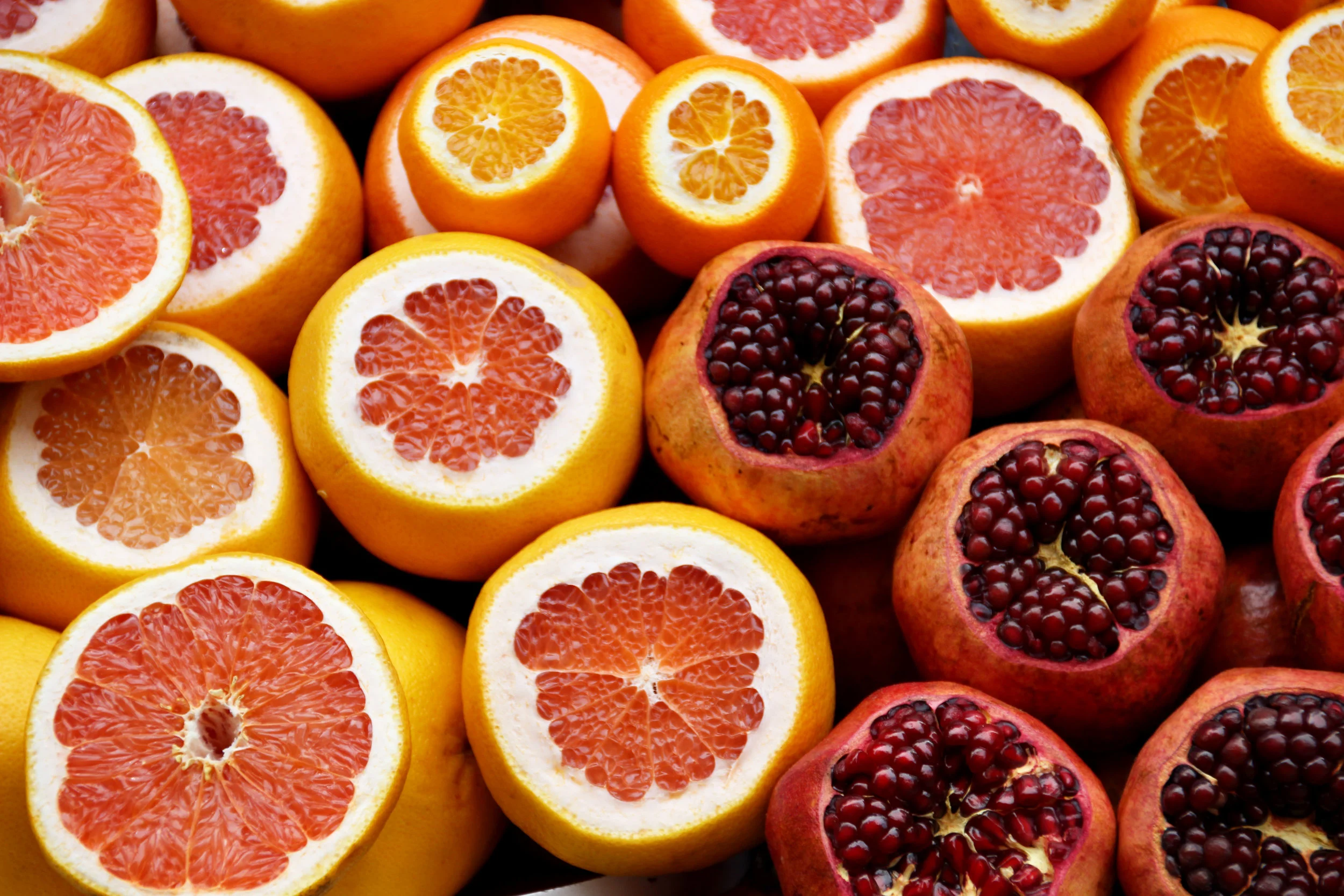
Citrus and other acidic fruits are actually alkaline in the body
Alkalized water is a GREAT way to combat acidity. Drinking water with a pH between 8.5-9.5 can preserve mineral stores by alkalizing the blood without needing to draw out minerals from our bones. Fruits, vegetables and seaweed can also help alkalize our systems -although we typically do not eat enough of these to alkalize our blood AND replenish our intra- and extracellular levels. It may seem like consuming acidic fruits and vegetables such as a lemon for example may be counterproductive, but this assumption would be incorrect. Dr. Russell Jaffee developed a way to calculate the bodies net response to foods based on that food’s mineral, sugar, fat and amino acid composition. You can access Dr. Jaffee’s alkaline food chart here.
So, how do you know if you’re too acidic? A good way to test if your body is too acidic is by testing your urine. Yep, that’s right! It’s time to start peeing in a cup. A urine pH of 7.0 indicates that you have enough alkalizing minerals to balance out the acids. You can purchase pH testing paper (make sure it has a range of at least 5.5-8.0) and test your first morning void. I typically buy mine from amazon.com because it’s easy and cheap. The pH of your urine should be between 6.5 and 7.5 but optimally around 7.0. Any number below 7.0 indicates that you are on the acidic side and should consider changing your diet and/or drinking alkaline water. If you’re really acidic you may benefit from taking a mineral supplement although it is advised that you speak with a dietitian or doctor before starting any new supplements. If your urine pH is consistently above 7.5 this may indicate active inflammation or other health issues and you should see your primary health-care provider.
I combat acidity by drinking 84oz of 9.5 water daily (from my home Kangen Water Machine) and making sure to have at least 3 servings of fruit or vegetables with each meal!
This was the result of my first urine pH test after a weekend of “treating myself.” After drinking 40oz of 9.5 I was able to get the pH up to ~ 6.5 that afternoon!
What's the Deal about CBD?
Lately CBD seems to be everywhere- all sorts of people are marketing it, even more are taking it… but why? What does it do? What is CBD?
What is CBD?
CBD stands for cannabidiol. It is the 2nd most prevalent active ingredient in cannabis (marijuana) and it is derived directly from the hemp plant. CBD is not psychoactive and according to the World Health Organization there has been no evidence of public health related problems with the use of CBD to date.
How does CBD work?
The body has an endocannabinoid system which helps to keep it in balance aka “homeostasis.” CBD acts on this system to modulate inflammation and reduce the brains perception of pain. Pretty cool huh?
What is CBD good for?
Stress: Recent animal studies have shown that CBD reduced blood pressure and heart rate of stressed animals.
Anxiety: Subjects with social anxiety given 600mg CBD prior to public speaking reported better speech performance and less anxiety and discomfort compared to placebo. Preclinical evidence also supports that CBD given acutely may be beneficial for disorders ranging from panic and social anxiety to obsessive-compulsive and post-traumatic stress. More research is currently being conducted but there are tons of case studies showing the success of CBD for anxiety and anxiety related disorders.
Epilepsy: The strongest clinical evidence for the effectiveness of CBD has been shown in patients with epileptic disorders. Children in particular with disorders that are not responsive to conventional medications especially Dravet syndrome showed benefit and reduction of symptoms after taking CBD oil. The FDA recently approved of a new CBD isolate drug called Epidiolex for the treatment of Dravet syndrome and Lennox-Gastaut syndrome (another treatment resistant form of childhood-onset epilepsy)
Sleep:Remember that endocannabinoid system I mentioned earlier? Well, researchers believe it may play a role in sleep/ wake cycles as well. CBD has shown some clinical evidence to promote REM sleep and combat excessive daytime sleepiness. One study even showed it improved sleep duration and dream recall!
Pain: CBD appears to work against pain by helping to decrease inflammation. Studies have even reported CBD was effective for mice experiencing chemo-induced neuropathic pain. More research is needed to address CBD’s effects in humans- but don’t worry, that research is underway as we speak!
Is CBD legal/ where can I get it?
In 2018 the Farm Bill was signed into law which legalized hemp in all forms including CBD. “CBD” has a few other names including “full-spectrum hemp extract” or “hemp oil,” which you may see on some product labels. Just be sure you don’t confuse it for “hemp seed oil” which is high in omega-3’s but does not contain CBD.
More and more natural health stores as well as online retailers are starting to carry CBD products and are a great place to shop! Check out the list below for my favorite brands and where to purchase them!
MY FAVORITE PRODUCTS
CBD Clinic Level 4 Pain Relief Cream
Charlotte’s Web Hemp 17 mg Extract
CBD Clinic Level 5 Pain Relief Stick
I am a HUGE fan of topical CBD cream/ointment. I love playing sports and being active, but let’s face it… I’m not getting any younger and with a few herniated discs, I tend to get sore pretty quick. Usually I rub a small amount of CBDClinic’s Level 4 cream on any sore spots and I wake up feeling just like new. I also get very painful menstrual cramps (TMI, I know… sorry) and rely on my CBD ointment to keep me functioning throughout the day.
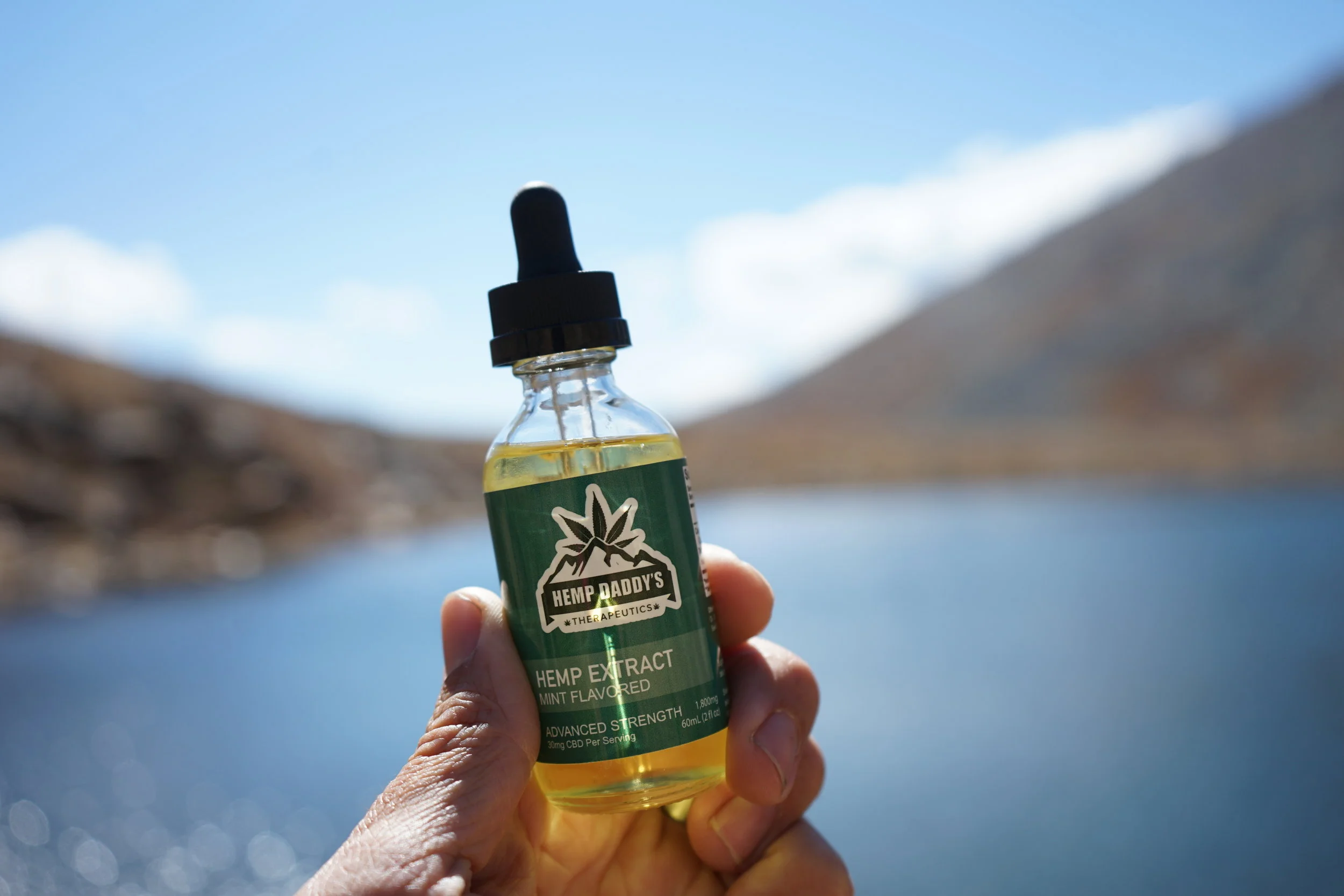
I also love my CBD oil tincture and use it on a daily basis. I have anxiety (who doesn’t now a days?) and panic disorder but have noticed a huge difference in my mindset when I take CBD in the morning. There are tons of great brands out there, and Natural Partners online store has a ton of options.
Did you know CBD is also great for animals! Well, I just talked about a few studies that involved mice, but besides mice CBD has shown to be beneficial for dogs as well! My dog has some joint problems due to a tick-borne illness and will often limp for days after playing too hard or going for too long of a walk. Since giving her CBD she recovers much faster and is able to play longer!
*If you’re thinking about starting to take CBD I strongly recommend you talk with your doctors to ensure it will not interact with any other medications you may be on.
Top 5 Essential Oils for Spring
Spring time is finally here! For me, Spring means new beginnings, time to come out of my winter hibernation and start enjoying the outdoors again. Spring also means time to clean – out with the old and in with the new.
With that in mind I have two main goals for using essential oils during this time of year: To clean the air (especially with all that pollen that’s floating around) and to energize my body as I prepare for longer days full of activities. So, here are my 5 favorite essential oils to use this time of year.
Lemon: Lemon essential oil is great for cleaning. Combine 1 cup water with ½ cup white vinegar and add 15 drops each of lemon essential oil and tea tree oil to make a great chemical-free cleaner! Lemon is also a very uplifting happy scent. Perfect for getting you out of the winter blues and prepared for summer. I like to diffuse it in the mornings or create a mist to spray in my office at work. Be careful if applying it directly to the body- lemon oils are photosensitive and should be avoided with the sun.
Eucalyptus: Eucalyptus oil is great for opening up the lungs and sinuses. This works wonders when you’re all stuffed up from springtime allergies. It also improves circulation and helps the body process allergens (such as pollen). You can add it to your diffuser or dilute with a carrier oil to apply directly to the body!
Grapefruit: Grapefruit may be one of my favorite essential oils. I can’t help but smile when I smell it- it’s just so uplifting! Grapefruit is a great disinfectant and it may also help you lose weight. (Think about the summer bod you need to get ready for). Diluting grapefruit in a carrier oil and massaging it on your stomach has been shown to reduce abdominal fat and waist circumference.
Peppermint: Peppermint is another vibrant essential oil great for springtime. It smells lively and invigorating- just like springtime should! Peppermint is great for sinuses and throats. Diluted it can be applied around the throat or chest area to relieve spring allergy symptoms or it can be diffused throughout the day to stimulate energy!
Orange: Orange oil has a sweet, uplifting aroma that is wonderful in the spring. It is one of the most popular essential oils within aromatherapy and for good reason! Orange oil is cheerful and can help improve the aroma of a stale room (like after a long winter when all the windows have stayed shut blocking out any fresh air). It can also be used to clean hardwood floods.
So, if you couldn’t tell… I may have a thing for citrus oils- especially around this time of year. Their aromas are just so uplifting they really help me shake off any winter sluggishness. I love combining the citrus oils with peppermint to create an even more awakening scent!
If you’re someone who suffers from spring-time allergies, then I highly suggest you try some of these natural remedies! Let me know what you think by sending me a message on Facebook, Instagram or through email!